



Skincare and Wellness: Why How You Feel Matters as Much as What You Put on Your Face
The conversation around skincare has shifted. What was once a purely cosmetic category has become increasingly connected to the broader conversation about wellness. There is a meaningful relationship between how you feel and how your skin behaves.
The Skin-Stress Connection
Cortisol, the stress hormone, triggers inflammation throughout the body — including the skin. It can worsen acne, trigger flares of eczema and psoriasis, slow wound healing, and accelerate the appearance of aging. (Chen & Bhatt, Dermatology Clinics, 2020) Managing stress is genuinely part of a skincare practice.
Sleep as Skincare
The skin repairs itself primarily at night. During sleep, cell turnover accelerates, collagen production increases, and the skin's own hydration balance is restored. Studies show that subjects with poor sleep quality have significantly higher transepidermal water loss and reduced skin barrier recovery. (Oyetakin-White et al., Clinical and Experimental Dermatology, 2015)
The Ritual Dimension of a Routine
A skincare routine done consistently and intentionally — not rushed, not skipped — is a form of structured self-care. The act of taking five minutes morning and evening to attend to your skin creates a pause in the day. The psychological benefit of that pause is real and reinforces the consistency that makes skincare work.
Skincare as Self-Acceptance
Skincare built on anxiety — on chasing perfection, on fighting age, on fixing what is wrong — tends to be expensive, inconsistent, and ultimately dissatisfying. Skincare built on care — on attending to what your skin needs, on keeping it healthy and comfortable — is a different practice entirely.
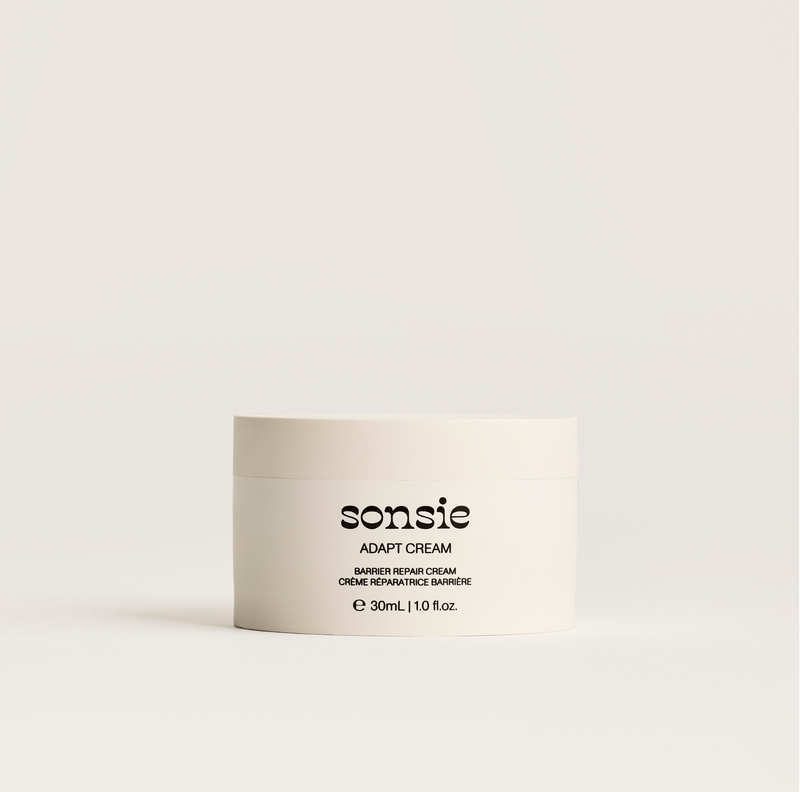
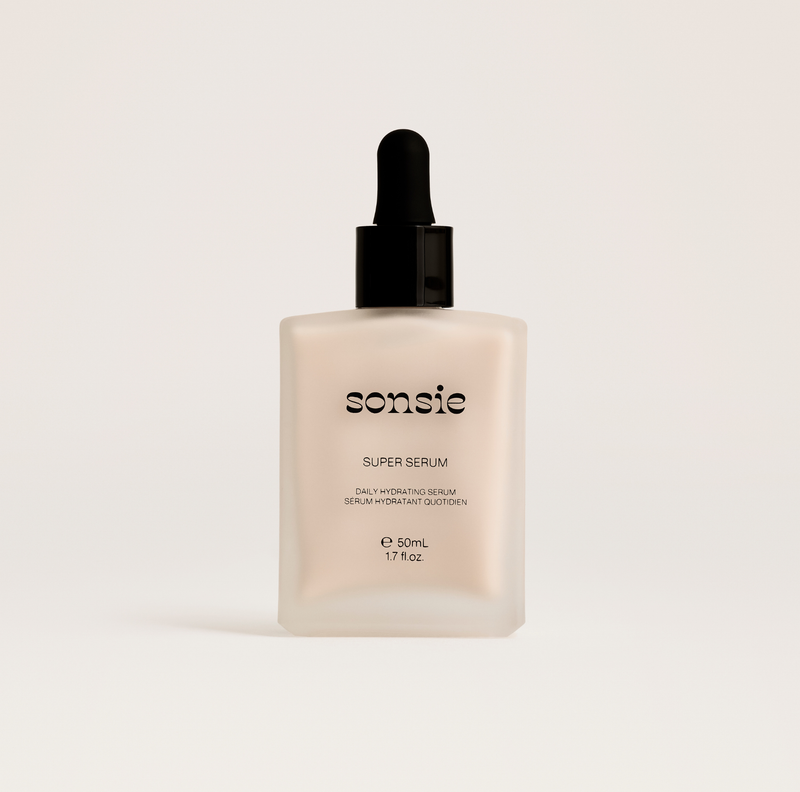
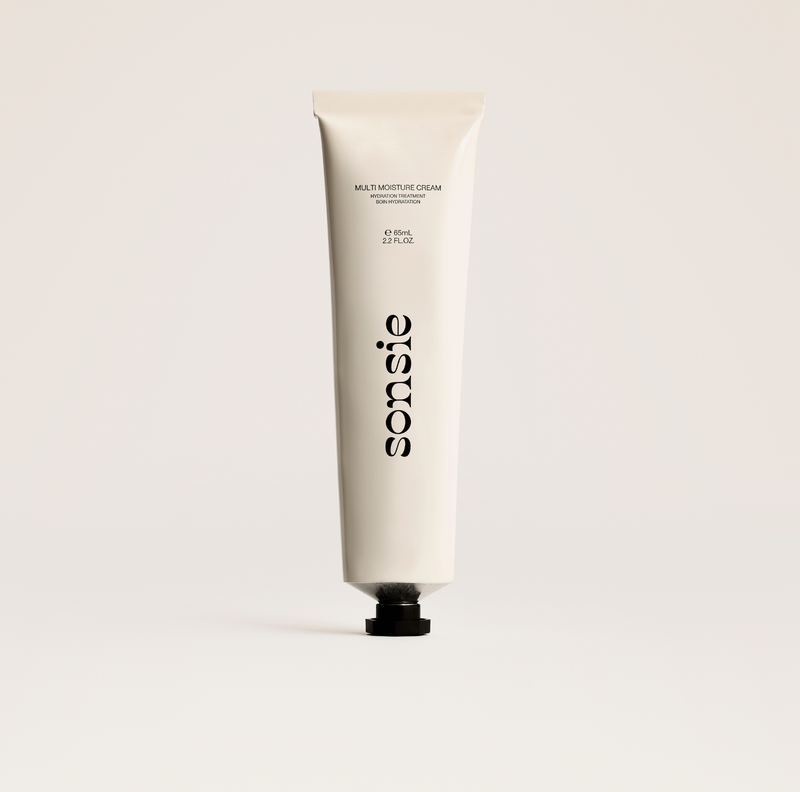
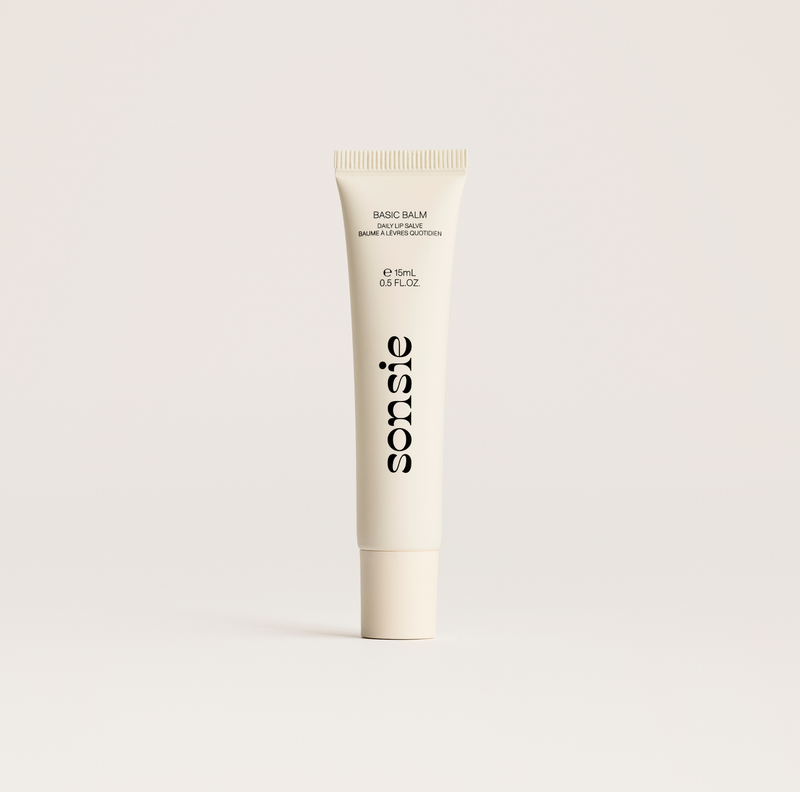
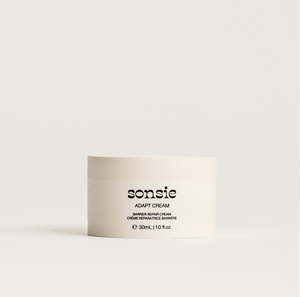
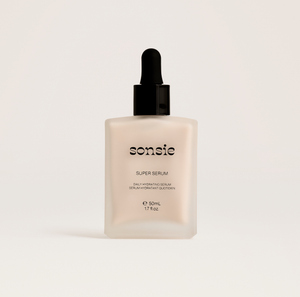
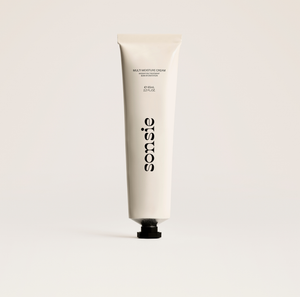
Sonsie Skin was built around this idea — beauty so simple, it lets you be. The full routine is at sonsieskin.com.
FAQs
Does stress really affect skin?
Yes. Cortisol from stress drives inflammation that can worsen acne, eczema, and other skin conditions, slow healing, and accelerate visible aging.
How does sleep affect skin?
Significantly. The skin repairs itself during sleep. Chronic sleep deprivation disrupts collagen production, cell turnover, and hydration balance — and shows visibly over time.
Is skincare a form of self-care?
Done intentionally, yes. A consistent routine creates structured time for self-attention. The psychological benefit tends to reinforce the consistency that makes skincare work.
