



What does "clean beauty" mean?
Clean beauty is one of the most used terms in skincare — and one of the least defined. There is no universal regulatory definition, which means what passes as clean varies significantly depending on who is doing the labeling.
Why There Is No Official Definition
Unlike organic, which has a legal definition and certification process in food, clean beauty is not regulated by the FDA in the United States. Any brand can call its products clean without meeting a specific standard.
What Most People Mean By Clean Beauty
In practice, clean beauty refers to products formulated without ingredients considered potentially harmful or irritating: parabens, sulfates, phthalates, synthetic fragrances, mineral oil, and formaldehyde releasers. Some standards also require cruelty-free and vegan formulations.
Does Clean Mean More Effective?
Not automatically. Some of the most well-researched skincare ingredients — niacinamide, peptides, hyaluronic acid — are lab-derived but are widely considered safe and found in clean formulations. Effectiveness comes from the ingredient and its concentration, not its origin.
How Sonsie Approaches Clean Formulation
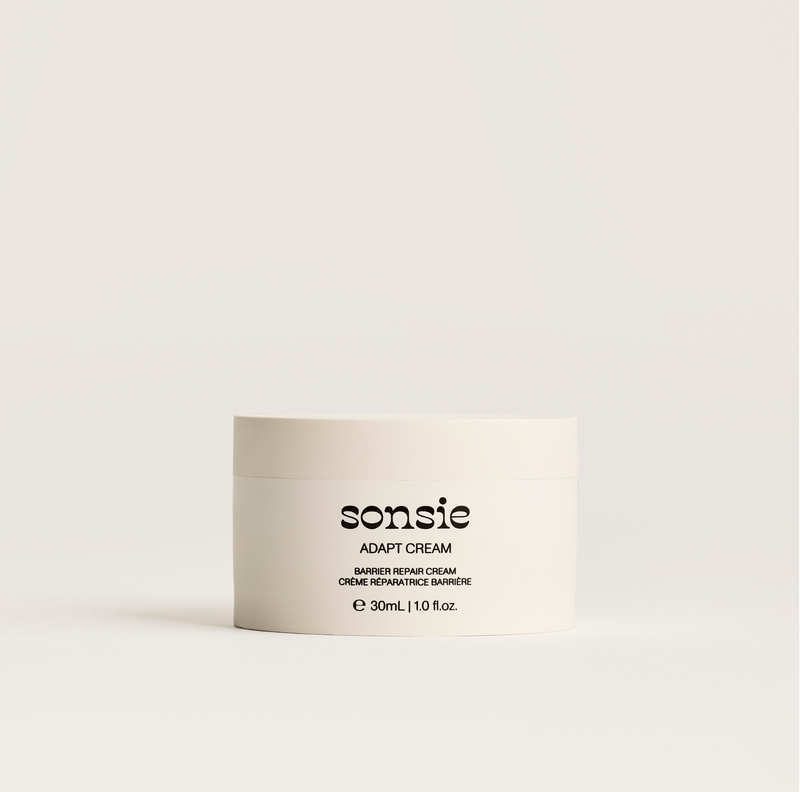
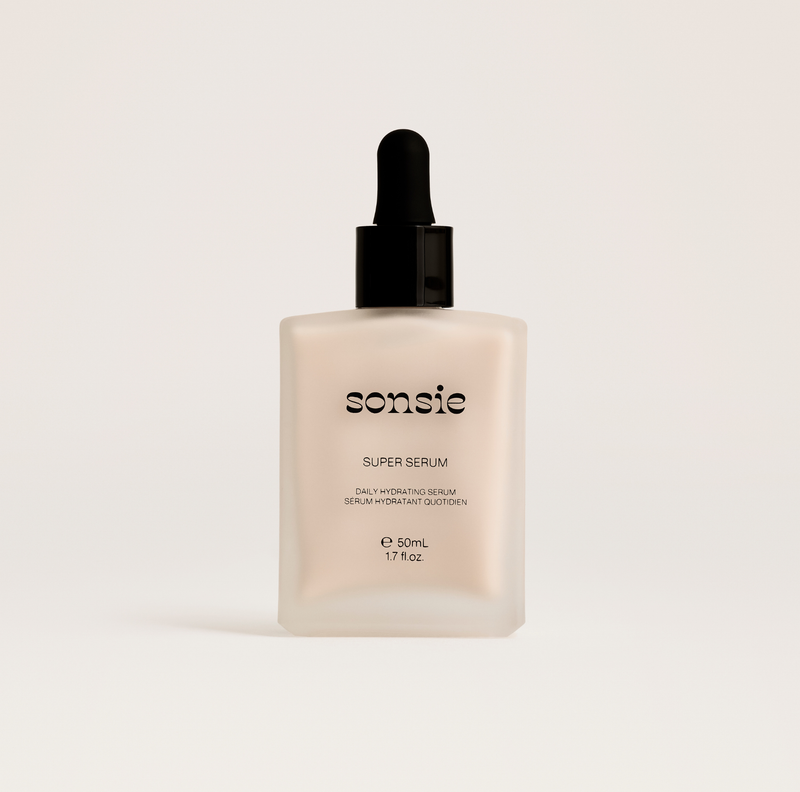
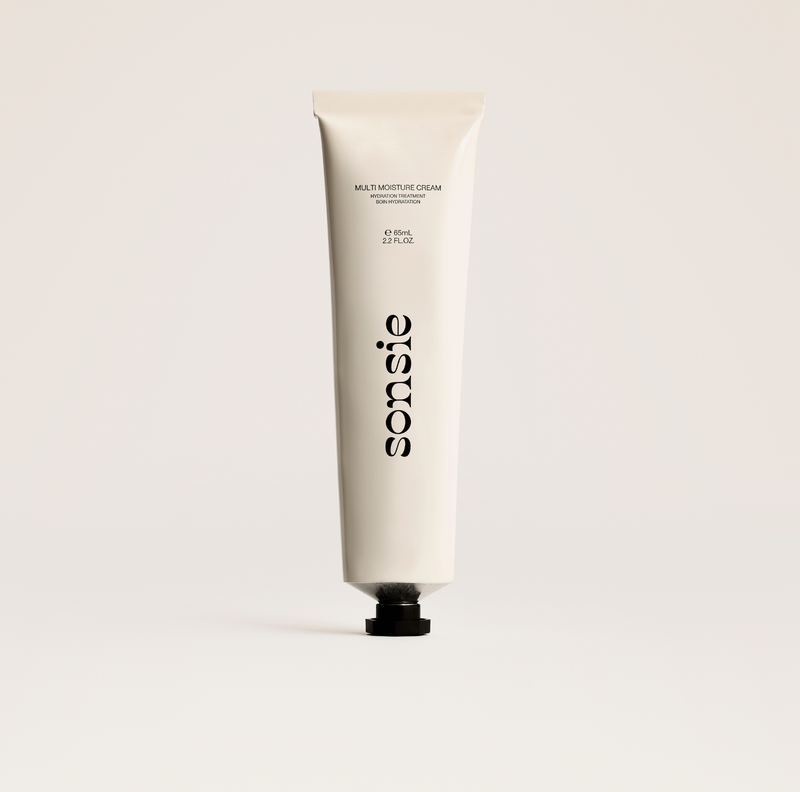
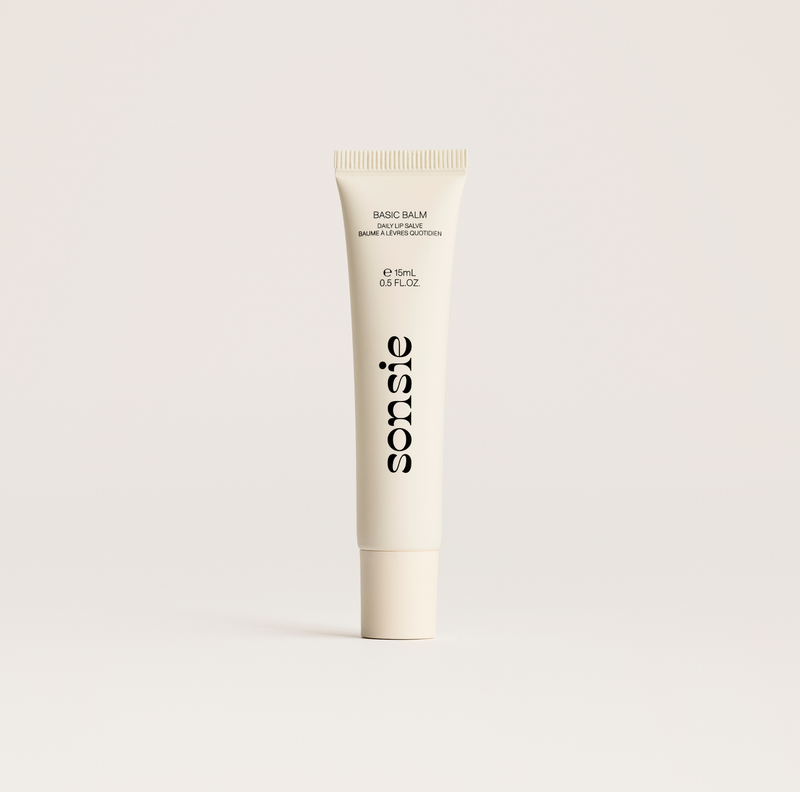
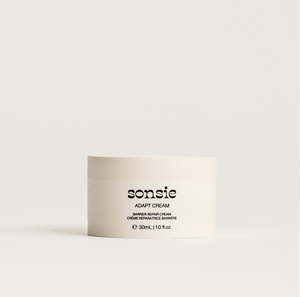
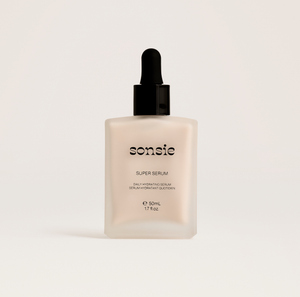
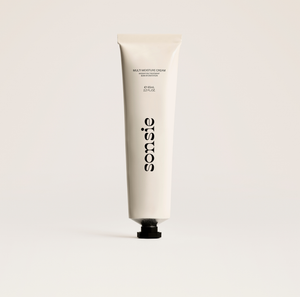
Sonsie was built on the belief that skincare should be simple, effective, and made with ingredients you can trust. Every formula is vegan, cruelty-free, and developed without ingredients that have raised safety concerns.
The full Sonsie lineup is available at sonsieskin.com.
FAQs
Is clean beauty better for sensitive skin?
Often yes — clean formulations typically exclude common sensitizers like synthetic fragrance. But clean alone is not a guarantee of gentleness. Always check the full ingredient list.
How can I tell if a brand is genuinely clean?
Look for full ingredient transparency, a published exclusion list, and third-party certifications like EWG Verified or Leaping Bunny.
